
Open-Box Appliances: Are They Actually Worth It?
Is open-box appliances worth it Inspected, graded, and explained clearly.
This guide covers is open-box appliances worth it in clear, honest detail.
This guide covers is open-box appliances worth it in clear, honest detail.
This guide covers is open-box appliances worth it in clear, honest detail.
This guide covers is open-box appliances worth it in clear, honest detail.
Open-Box Appliances: Are They Actually Worth It?
Open-box appliances and electronics are generally worth it — but only when you understand exactly what you're buying and from whom. The savings are real, often 20–50% below retail, but the value depends entirely on the item's condition, what inspection has been done, and what recourse you have if something's wrong. Here's a practical appliances buying guide built around those three questions.
---
What "Open-Box" Actually Means (It Varies a Lot) (is open-box appliances worth it)
The term open-box covers a wide range of situations, and lumping them together is where buyers get into trouble.
Common open-box scenarios
- Customer return, unused: Opened, possibly missing accessories, but never actually used
- Display unit: Functional but cosmetically worn from being handled in-store
- Returned after use: Used for days or weeks before being returned — condition varies widely
- Overstock or shelf pull: Never opened by a consumer; just surplus inventory
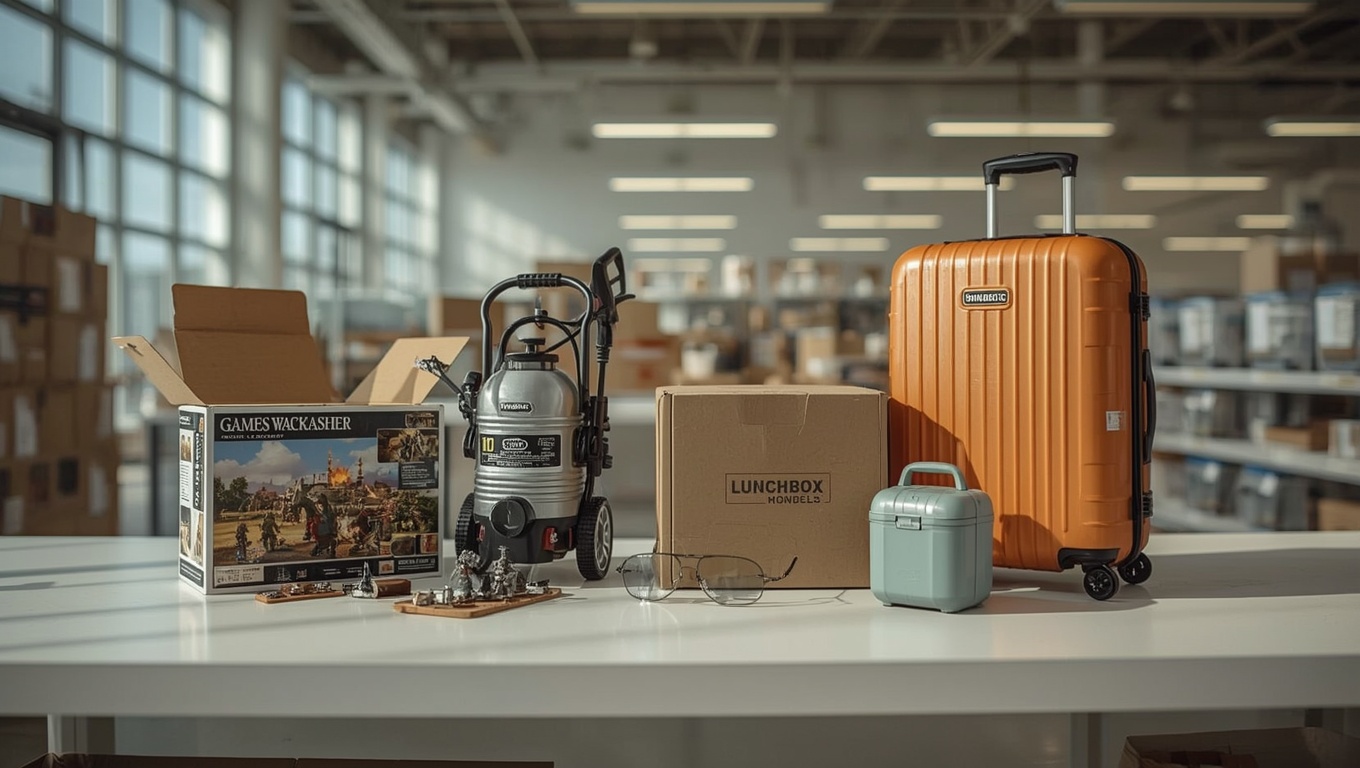
A YAMATIC pressure washer listed as New / Open Box (~$85) could be any of the above. The label alone doesn't tell you enough — the inspection record does.
> Key question to ask: Has the item been tested and documented by someone accountable, or just reboxed and relabeled?
---
Is Open-Box Worth It? The Honest Answer by Category
Not all products carry the same risk when bought open-box. Here's a realistic breakdown:
| Category | Open-Box Risk Level | Worth It? | What to Check |
|---|---|---|---|
| Smart home / networking | Low–Medium | Often yes | Firmware reset, all cables/parts present |
| Pressure washers / outdoor tools | Medium | Yes, with inspection | Pump seals, hose fittings, motor test |
| Safety equipment (glasses, PPE) | Low–Medium | Yes if unused | No scratches on lenses, seal intact |
| Building / hobby kits | Low | Usually yes | All sprues/parts accounted for |
| Luggage & travel gear | Low | Usually yes | Zippers, wheels, locks functional |
| Major appliances (washers, fridges) | High | Only with documentation | Compressor, seals, error codes |
For example, a TP-Link Deco X20 mesh Wi-Fi system (~$240) open-box is relatively low-risk — it either connects and performs or it doesn't, and a quick setup test confirms function. A major appliance like a dishwasher has many more failure points that aren't obvious on a visual inspection.
---
How to Buy Open-Box Safely: A Practical Checklist
Knowing how to buy open-box safely is what separates a great deal from a headache. Follow this before committing.
Before you buy
- Read the condition grade carefully. "New / Open Box" and "Used – Good" are not the same. Reputable liquidation marketplaces define each grade explicitly.
- Check what's included. Missing manuals, power cords, or mounting hardware can cost more to replace than you saved.
- Look for an inspection record. Has a human tested this item? Is there a documented result?
- Understand the return window. At 4MORE, a 3-day conditional inspection guarantee gives you time to verify the item in person — a meaningful safeguard that many secondary sellers don't offer.
At pickup or delivery
- Power it on immediately and run a basic function test
- Document any cosmetic damage with photos before you leave
- For networking gear like the Deco X20, run a full setup and speed test on-site if possible
Red flags to walk away from
- No stated condition grade at all
- "Sold as-is, no returns" with zero inspection documentation
- Sealed box that looks like it's been re-taped or relabeled
- Price that seems too low even for open-box (often signals hidden damage)
---
What Inspected Liquidation Changes About the Equation
Standard liquidation — buying pallets or lots sight-unseen — is genuinely risky. Inspected liquidation is a different model.
When a marketplace physically inspects, grades, and lists each item individually, you're getting:
- A human has handled and assessed the item
- The condition grade reflects reality, not hope
- You can make an informed decision rather than a gamble
This matters most for mid-to-high-value purchases. A Games Workshop building set listed as New / Open Box (~$240) is straightforward to inspect — you can verify all components are present. A pressure washer or smart appliance requires a functional test, which is exactly what an inspection-based marketplace should be providing.
Ridge Products safety glasses listed as New / Open Box (~$86) are another good example: the inspection confirms whether lenses are scratch-free and seals are intact — things that matter for PPE but are quick to verify physically.
---
When Open-Box Is Not Worth It
Honesty matters here. Open-box isn't the right call in every situation.
- When you need warranty coverage for a long-term appliance. Major appliances (fridges, washers) used heavily for years benefit from manufacturer warranty. Open-box units often have reduced or no remaining warranty.
- When the discount is thin. If an open-box item is only 5–10% below retail with no inspection documentation, the risk-reward ratio is poor.
- When accessories are missing and costly. A pressure washer without its hose or wand isn't a deal — it's a partial unit.
- When you can't inspect before buying. Buying open-box completely blind, with no recourse, from an unverified seller online is closer to gambling than bargain hunting.
For travel gear like a Lunchbox luggage set (~$125), an open-box or new listing is typically low-stakes — but you'd still want to test zippers and wheels before accepting the purchase.
---
The Bottom Line for Canadian Shoppers
Open-box appliances and products are worth it when three conditions are met: the seller has physically inspected and graded the item, you understand exactly what condition means in practice, and you have a defined window to verify the item yourself after purchase. The savings are genuine — but they're earned by doing a little homework upfront, not by hoping for the best.
Frequently asked questions
Are open-box appliances covered by warranty in Canada?
It depends on the manufacturer and how much of the original warranty period remains. Some manufacturers honour warranty from the original purchase date regardless of who owns the item, while others require proof of purchase from an authorized retailer. Always check the manufacturer's warranty transfer policy before buying.
What's the difference between open-box and refurbished?
Open-box means a product was returned or had its packaging opened, but it may not have been repaired or altered. Refurbished means the item was inspected, faulty parts were replaced, and it was restored to working condition — often by the manufacturer or a certified technician. Refurbished typically comes with more documentation; open-box can range from essentially new to heavily used.
How do I know if an open-box item has been tested?
Look for an explicit inspection record or condition grade from the seller — not just the word "tested" in a listing description. Reputable inspected liquidation marketplaces document what was checked and how the item performed. If no testing details are provided, assume the item has only had a visual inspection at best.
Is open-box electronics a good deal compared to open-box appliances?
Electronics like mesh Wi-Fi systems or smart home devices are often lower-risk open-box purchases because their function is easy to verify quickly — they either work or they don't. Major appliances have more complex components (motors, compressors, seals) that can fail in ways that aren't immediately obvious, making inspection documentation more critical for those purchases.
What should I do as soon as I receive an open-box item?
Test it fully right away — power it on, run it through its primary function, and check that all included accessories are present and undamaged. Document any issues with photos immediately. Acting quickly matters because most sellers, including inspected liquidation marketplaces, have a defined inspection window after which returns may not be accepted.