
How to Buy Power Tools Without Getting Burned
Buying open-box or refurbished power tools in Canada? What to inspect, which deals are worth it, and how to avoid costly duds — a practical buyer's guide.
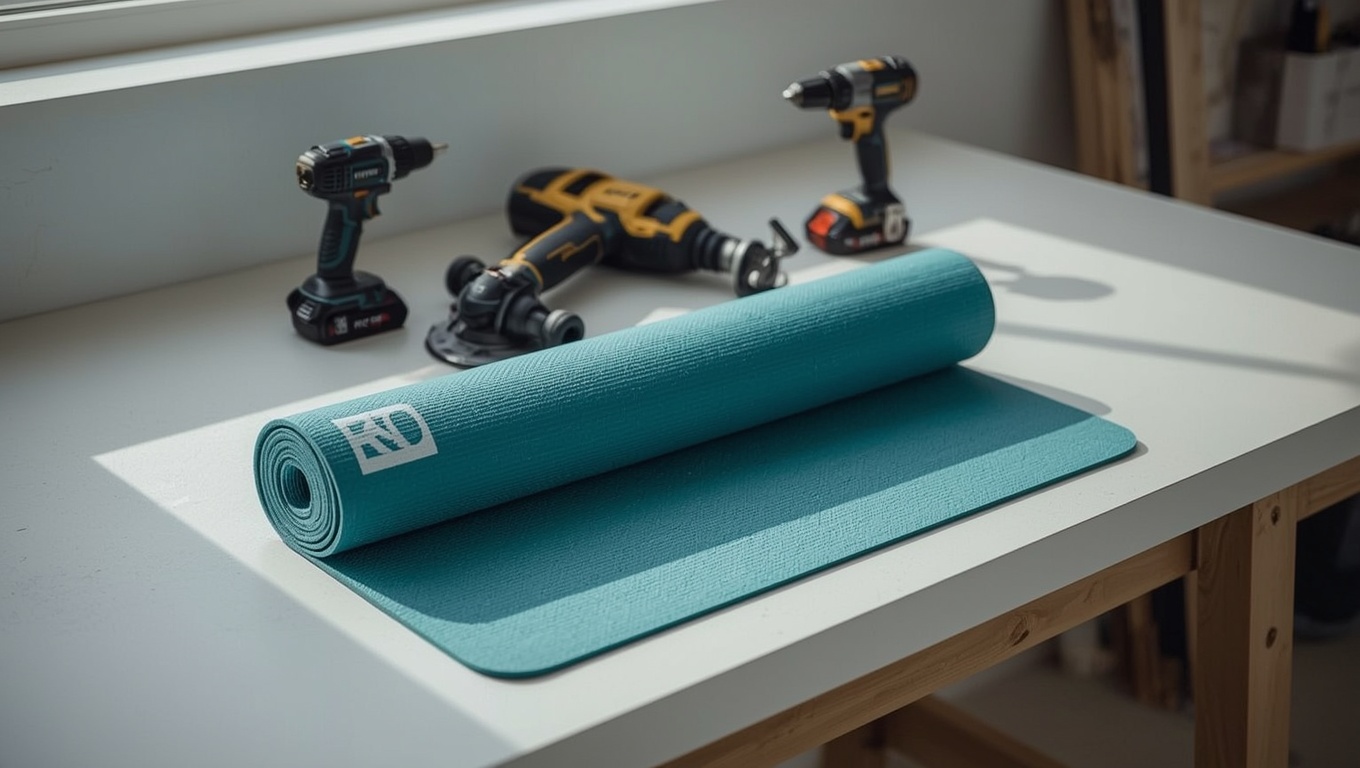
How to Buy Power Tools Without Getting Burned
Whether you're outfitting a workshop or tackling a weekend renovation, this power tools buying guide can save you real money — if you know what to look for. Liquidation and open-box tools can be genuinely excellent value, but only when you understand condition grades, what's included, and what a missing part actually costs to replace. Here's how to shop smart.
What "Open-Box," "Like New" and "Refurbished" Actually Mean
These terms get used loosely, so pin down the definition before you buy.
- Open-box: Returned before or shortly after use; packaging may be damaged but the item is often functionally new.
- Like New: Used briefly, then returned. Should show minimal to no wear. At 4MORE, condition grades are applied after physical inspection — not self-reported by the seller.
- Refurbished: Tested and repaired (if needed) to working order. Quality varies widely depending on who did the refurbishing.
- New (Liquidation): Overstock or shelf-pull units that were never used. Often the best value in this category.
> Tip: A "Like New" power tool that's been inspected is often a better buy than an uninspected "New" one from an unknown source.
Your Power Tools Buying Guide: The Pre-Purchase Checklist
Before committing to any tool — new, open-box or refurbished — work through this list:
Check What's Included
- Is the battery included (for cordless tools), or sold separately?
- Are blades, bits or accessories in the box?
- Is the original manual and warranty card present?
Missing batteries on cordless tools can easily add $60–$120 to your actual cost. Know the full picture before comparing prices.
Inspect the Condition Grade
At 4MORE, items are graded after inspection — not guessed at. Still, when you receive a tool, check:
- Chuck or blade clamp for wear or damage
- Cord insulation for cuts or fraying (a safety non-negotiable)
- Trigger and safety switch function
- Any visible cracks in the housing
Understand the Return Window
4MORE's inspection guarantee gives you time to evaluate your purchase after it arrives. Use that window seriously: plug it in, run it under load and inspect all functions before the window closes.
Cordless vs. Corded: Which Is Better Value at Liquidation?
Corded tools are often the smarter liquidation buy. Here's why:
- No battery to degrade: The primary failure point of cordless tools is the battery pack. An open-box cordless tool may have a battery that's already been through dozens of charge cycles.
- Lower replacement cost: If a corded tool needs a new cord, that's typically a minor repair. A degraded battery pack for a premium brand can cost nearly as much as the tool itself.
- Simpler inspection: Plug it in and run it — you know almost immediately if it works.
If you do buy cordless, confirm the battery platform. Sticking with one brand's battery ecosystem (e.g., DeWalt 20V MAX, Milwaukee M18) lets you share batteries across tools and reduces long-term cost.
Don't Overlook Adjacent Gear in Liquidation Lots
Liquidation marketplaces carry more than just tools, and sometimes the smartest buys are in adjacent categories that support your project or workspace.
For example, if you're setting up a workshop or job site, reliable connectivity matters for smart devices and job management. A unit like the TP-Link Deco X20 (~$240, New) is a whole-home mesh Wi-Fi system that can extend coverage to a garage workshop — a practical buy when it appears as overstock.
Similarly, if your work involves physical labour, recovery gear is worth considering alongside your tool purchases. Items like the Manduka eKO Superlite Travel (~$60, New) — a lightweight, portable yoga and stretching mat — show up in fitness liquidation lots and can be a straightforward addition to a healthy work routine.
And for job sites where monitoring health matters, medical-grade equipment occasionally appears in liquidation inventory. The KT THERMO WM-CA-001 (~$200, New) is a contactless thermometer that's appeared in our medical supplies inventory — the kind of item useful for contractor teams or small shops tracking worker wellness.
How to Compare Liquidation Prices Honestly
The discount is only real if you're comparing apples to apples. Use this approach:
1. Find the current Canadian retail price (not the US price, not the MSRP from three years ago). 2. Add the cost of anything missing — batteries, blades, cases. 3. Factor in condition honestly. A 40% discount on a tool that needs a $50 part is a 25% discount at best. 4. Check return and warranty terms. Some liquidation tools carry remaining manufacturer warranty; others don't. Ask before buying.
Price Anchoring to Watch For
Be cautious of listings that cite an "original retail" price without a source. A good liquidation marketplace like 4MORE shows you the condition grade and lets the price speak for itself.
When Liquidation Power Tools Are (and Aren't) a Good Fit
Good fit:
- DIY homeowners who use tools occasionally
- Contractors adding a backup unit to their kit
- Trades students building a starter toolkit on a budget
- Buyers flexible on brand who want specific functionality
Not ideal:
- Professional daily-use tools where downtime is costly (buy new with full warranty)
- Specialty tools where replacement parts are hard to source
- Any tool where safety is non-negotiable and condition can't be fully verified
At 4MORE, every listing goes through physical inspection before it's graded and listed. That's the core of what we do: Real Inventory. Real Inspections. Real Value. But even with that foundation, doing your own due diligence — especially during the inspection window — is always the right call.
Frequently asked questions
Are open-box power tools safe to buy from a liquidation marketplace?
Yes, provided the marketplace performs physical inspections and assigns honest condition grades. At 4MORE, items are inspected before listing, so a 'Like New' grade reflects an actual assessment — not a guess. Always use your inspection window to test the tool yourself before the return period closes.
What's the biggest hidden cost when buying liquidation cordless tools?
The battery. Cordless tool batteries degrade with charge cycles, and replacement packs from major brands can cost $60–$120 or more. Before buying any open-box cordless tool, confirm the battery is included and, if possible, check how many charge cycles it has logged.
Do liquidation power tools come with a manufacturer warranty?
Sometimes, but not always. Some open-box or overstock tools still have an active manufacturer warranty if they were returned unused; others do not. Always check the listing details and, when in doubt, contact the marketplace directly before purchasing.
How do I know if a liquidation price is actually a good deal?
Look up the current Canadian retail price from a major retailer, then subtract the cost of any missing accessories or repairs the tool might need. If the adjusted price is still meaningfully lower and the condition grade is solid, it's likely a genuine value.
What should I test first when a power tool arrives from a liquidation purchase?
Start with the basics: plug it in (or charge the battery), run it at low and full speed, and check the trigger and safety switch. For corded tools, inspect the cord insulation carefully for any cuts or damage. Do all of this within your inspection window so you have the option to return if something isn't right.