
How to Buy Electronics Liquidation Without Getting Burned
Shopping electronics liquidation in Canada? Learn how to evaluate conditions, read inspection reports, and find real value on open-box and surplus gear.
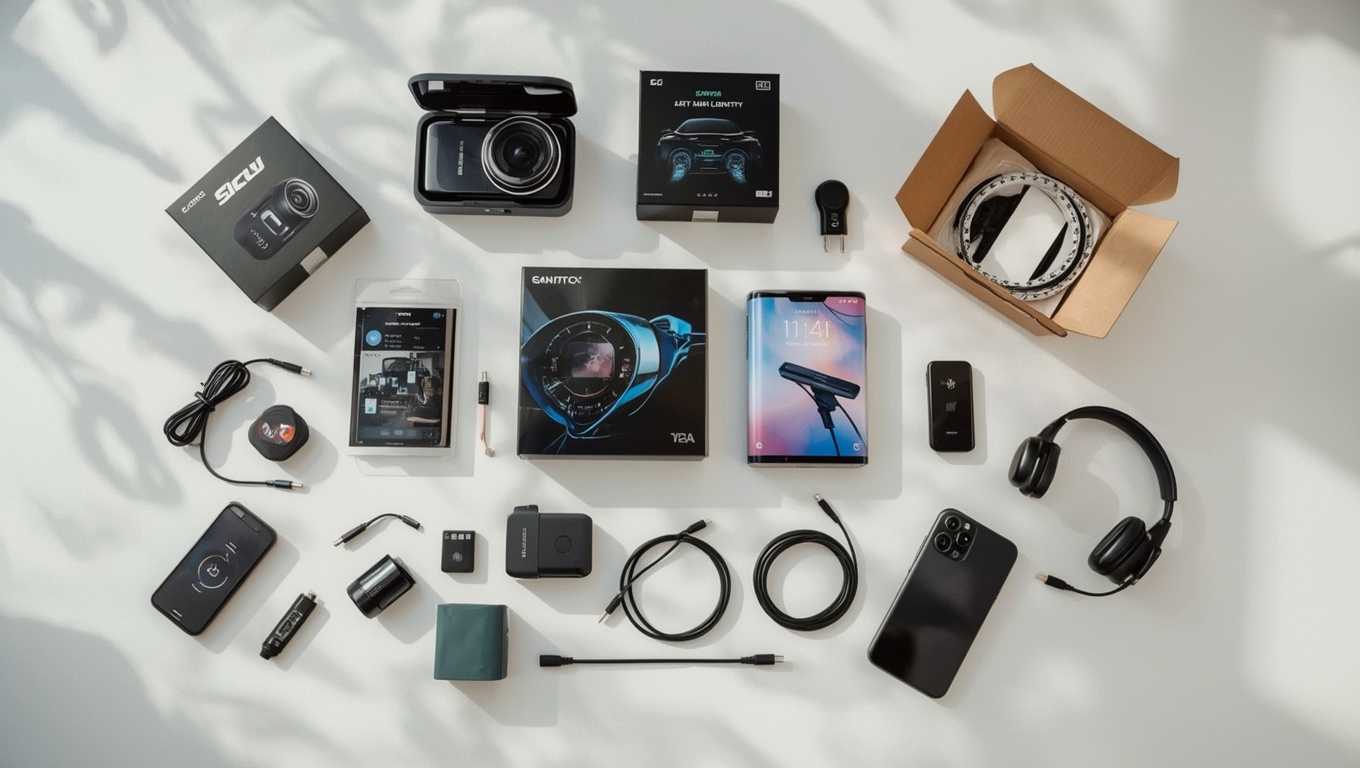
How to Buy Electronics Liquidation Without Getting Burned
Electronics liquidation can be a smart way to buy quality gear at a fraction of retail — if you know what to look for. The key is understanding product condition grades, what's been inspected, and what return protections you actually have. This guide walks Canadian shoppers through the essentials so you spend confidently, not blindly.
What "Electronics Liquidation" Actually Means
Liquidation inventory comes from several sources: retailer overstock, customer returns, display units, insurance claims, or businesses winding down. Not all liquidation is the same quality, and the word itself tells you nothing about condition — that's where inspection records matter.
At a marketplace with formal inspection processes, each unit is assessed before it goes on the shelf. That's meaningfully different from buying a sealed mystery pallet at auction where you have zero visibility into what's inside.
Common Sources of Liquidation Electronics
- Customer returns — opened or used briefly; may be fully functional
- Overstock / surplus — new product a retailer couldn't sell through
- Display units — cosmetic wear, otherwise complete
- Insurance or damage claims — condition varies significantly; read inspection notes carefully
Understanding Condition Grades Before You Buy
Condition grading is the single most important thing to understand when shopping liquidation. Grades vary by seller, so always read the definition, not just the label.
| Grade Label | Typical Meaning | What to Check |
|---|---|---|
| New / Sealed | Original packaging, never opened | Verify seal is intact |
| New (Open Box) | Opened but unused or like-new | Confirm all accessories included |
| Inspected / Tested | Powered on, functionality confirmed | Read the inspection report |
| Cosmetic Damage | Works correctly, visible wear | Look at photos before buying |
| As-Is / Untested | No guarantee of function | Only for experienced buyers |
A product listed as New with a clear inspection record is very different from one listed as "new" with no documentation. For example, Lightronic car electronics and accessories listed as New at around $48 come with a known condition starting point — you're not guessing at what arrived in the box.
How to Evaluate a Listing Before You Commit
Take a methodical approach to any liquidation listing:
Read the Full Condition Notes
Don't stop at the grade label. Look for specifics: Does the battery hold a charge? Are original cables included? Is the firmware up to date? Good inspection notes answer these questions.
Check for Included Accessories
Many electronics lose value immediately if the charger, mounting hardware, or documentation is missing. Confirm the item listing explicitly states what's in the box.
Look at Photos Critically
Actual product photos (not stock images) are a strong signal that an inspection happened. Catalog-only images are a yellow flag on a used or open-box listing.
Understand the Return Window
Inspected liquidation marketplaces typically offer a short conditional inspection period after pickup or delivery — use it. Inspect the item thoroughly as soon as you receive it and raise any concerns immediately.
Electronics vs. Appliances: Different Considerations
If you're shopping liquidation broadly — say, comparing a TV deal against an appliance sale, or looking at appliance package deals in Vancouver — the evaluation process shifts.
Appliances are harder to test quickly than a car electronics accessory you can plug in within minutes. For large appliances, ask specifically:
- Was it plugged in and run through a cycle?
- Is the compressor, heating element, or motor confirmed functional?
- Are installation parts (hoses, brackets, power cords) included?
Appliance package deals can offer strong savings on coordinated sets — but only when each unit in the package has been individually inspected. A package deal where one item is untested raises the risk profile of the whole purchase.
Practical Tips for First-Time Liquidation Shoppers
- Start with smaller, lower-risk items. A $48 car electronics accessory is a low-stakes way to learn how a marketplace operates before buying a $600 appliance.
- Compare the liquidation price to the current retail price — not the original MSRP. Retail prices change, and some items depreciate quickly.
- Factor in your ability to test quickly. The faster you can verify function, the better positioned you are to use any inspection guarantee.
- Ask questions before buying. Reputable marketplaces have staff who can answer condition questions directly.
- Buy in person when possible. Seeing the item before purchase removes the largest source of uncertainty.
What Makes Inspected Liquidation Different from Auction Pallets
Buying a pallet of mixed electronics at a general auction can work for resellers who have the volume tolerance and technical skills to assess individual units. For most Canadian shoppers buying one or two items, the math rarely works out — you're absorbing risk that's priced for bulk.
An inspected liquidation marketplace shifts that equation. Each item has been individually evaluated, graded, and priced accordingly. You're paying a bit more than a raw pallet price per unit, but you're buying a specific item with a known condition — not a gamble.
The difference is accountability. When a business puts its name on an inspection, it has an incentive to get it right.
Frequently asked questions
Is electronics liquidation the same as buying refurbished?
Not exactly. Refurbished products have been repaired or restored to a defined standard, often by the manufacturer. Liquidation electronics may be untouched returns, overstock, or display units — the condition varies widely. Always read the inspection notes for the specific item rather than relying on either label alone.
What should I do as soon as I receive a liquidation electronics purchase?
Inspect it immediately and thoroughly — power it on, test all functions you plan to use, and check that all listed accessories are present. Most inspected liquidation platforms offer a short conditional inspection window after pickup or delivery, so acting quickly protects you if something isn't right.
Are car electronics like accessories and mounts worth buying liquidation?
They can be an excellent entry point because they're relatively inexpensive, easy to test quickly, and rarely require professional installation. A new or open-box car electronics accessory at a steep discount carries low risk when sold through an inspected marketplace.
Can I find appliance package deals through liquidation?
Yes — some liquidation marketplaces, particularly in larger markets like Vancouver, carry full appliance sets from retailer overstock or renovations. The key is confirming that each appliance in the package has been individually inspected and tested, not just the set as a whole.
How do I know if a liquidation price is actually a good deal?
Look up the item's current retail price at major Canadian retailers — not the original MSRP, which may be inflated or outdated. Factor in any missing accessories or cosmetic issues, then decide if the gap is worth it. A genuine deal exists when the savings meaningfully exceed the risk you're taking on.